
the fundamental goal of alchemy is turning lead into gold. it's captured brilliant minds through the centuries who believed that with the right methods, base metals could be transmuted into something valuable.
it's also the core promise that crypto gaming has been selling for the last five years. "what if your in-game items were real? what if you could own them? what if all that time grinding turned into money?"
compelling pitch. wrong diagnosis. games are already the most successful form of alchemy in the modern economy. a sword in diablo has no physical weight, no utility outside its world, but can sell for hundreds of real dollars. runescape gold trades on gray markets at predictable exchange rates (more stable than some tokens i could name). jeffrey epstein reportedly laundered money through world of warcraft. gaming has clearly mastered creating value out of thin air. crypto didn't misunderstand what was happening.
it misunderstood why.

i say this as someone who has minted, traded, and lost more SOL than i'd like to admit on game NFTs. i'm not anti-crypto gaming. i'm anti-building economies on top of games nobody wants to play.
players must care first. caring creates value, not the other way around.
i. why players pay real money for fake swords
edward castronova's research in the early 2000s showed that virtual economies had GDP comparable to small countries. people were earning hourly wages farming gold that exceeded minimum wage in parts of the developing world.
the labor theory of value offers one lens: virtual gold represents condensed player time and effort. a rare drop is valuable because it took dozens of hours to obtain. a high-level character embodies months of grinding. there's real human labor baked into these digital objects, and people will pay to skip that grind.
but labor alone doesn't explain it. plenty of things require enormous effort and remain worthless. what makes the effort matter is that it occurs within a system people care about. a rare drop in an MMO is valuable because players have collectively decided that the game matters, that progression within it matters, and that the time condensed into that item matters.

players must care first. caring creates value, not the other way around. you can't reverse-engineer caring by making items tradable on a marketplace. that's like building a trophy case to try to get better at basketball.
ii. the value stack
let's break down what makes players care. i call it the value stack: seven sources, and every good game taps into multiple ones simultaneously.
consumption value is moment-to-moment fun. tight loops, satisfying controls, the dopamine of a perfect headshot. this is the "would your players play this for free?" test. if your game fails this, no amount of financial engineering can save it. (you cannot tokenize fun. people have tried.)
mastery value is the deep satisfaction of getting better at something difficult. fighting game players spend hundreds on arcade sticks and tournament fees. nobody has ever asked "what's the ROI on getting bodied in bracket pools for two years straight?" the answer is you finally stop getting bodied. that's the ROI.
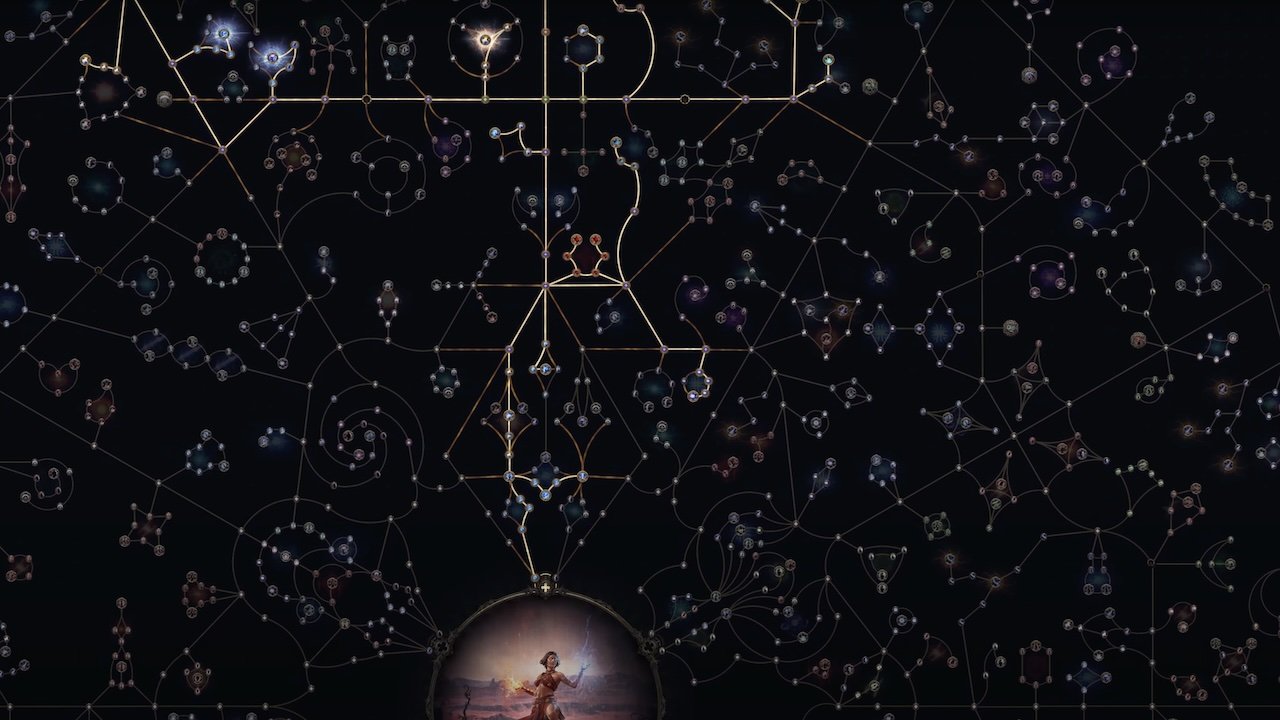
progression value is converting time into power. leveling systems, crafting trees, collections. ironically, the more accessible progression is, the less it's worth. it's the only product where making it easier to get makes people want it less.
when was the last time you logged into a game not because you wanted to play, but because your friends were on? that's social value: the most durable and least engineerable source of value in games. guilds, shared rituals, drama, evolving metas. at some point a game stops being a product and becomes a place. a place where your friends are. where you have a reputation. where you belong. anyone who's been in a memecoin trenching community knows exactly this feeling: the game is mid but the group chat is everything.

the game is mid but the group chat is everything.
status value is the flex. nobody is wearing party hats in runescape because they look good. they're wearing it because everyone knows what it took to get it. flexing is the entire point.
competitive value is meaning through risk. stakes amplify emotion, but only if the underlying game is compelling. betting on a coin flip gets boring fast. betting on a game you're deeply skilled at? that hits different.
creative value is player-made content. mods, custom maps, player-run economies. players create supply, and sometimes that supply is incredible. the entire MOBA genre exists because some people made a warcraft III custom map. DotA was creative value. it was so good it spawned a genre worth billions. but it only happened because millions of people were already playing warcraft III. the audience came first.
every great game weaves multiple threads from this list into something cohesive. none of them require a blockchain. so what does blockchain actually add?
iii. ownership amplifies. it doesn't create.
blockchain has real uses: reducing trust friction, improving settlement infrastructure, and making status signals more legible through provenance. these are genuine improvements to how value moves. if you've traded on hyperliquid or used magiceden, you know the UX improvements are real. settlement is faster. custody is cleaner. provenance is legible. the infrastructure is genuinely better.
most crypto gaming was built on the assumption that ownership alone could make a bad game fun, create community out of thin air, and generate demand for meaningless items.
it can't.
people speculate on games they've never played past the tutorial. this inflates expectations, drives up prices for actual players, and floods the community with people looking for exit liquidity. (some of them speculate on games that don't exist yet, which is a level of conviction even the most dedicated preorder customer has never reached.)
meanwhile, the best economies in traditional games are built on constraints. resource sinks. non-tradeable items. durability decay. the economic engineering that makes progression meaningful and status legible.
CS:GO has a massive secondary market for skins: real ownership, real trading, real money. crypto people love pointing to valve's marketplace fees as an obvious inefficiency to disrupt. but notice the order of operations. valve built one of the best shooters ever made. millions of players cared deeply about the game. then the skin market emerged. the market didn't create the caring. the caring created the market.

"everything freely tradable forever" sounds like freedom, but it destroys the very systems that made players care in the first place. if you can buy your way to endgame in five minutes, endgame gear doesn't signal mastery anymore. it signals a fat wallet.
but there's a deeper reason the crypto model breaks down, and it has to do with how games actually make money.
iv. the take rate gap
every game has a take rate: the percentage of player spend that doesn't come back to the player in financial terms. you see this explicitly in casinos as the house edge but it exists in every game economy. players put money in, and they don't get that money back out. in traditional gaming, this is the entire business model. it works because the "refund" is the game itself.
you cannot tokenize fun. people have tried.
players don't need financial return because they're getting entertainment, identity, social connection, progression, and mastery. the take rate gap gets filled by fun. by meaning. by the experience of playing.
think about the most successful monetization models in gaming: box price, subscription, battle pass, cosmetics, expansions. they're all honest about the take. you pay money, you get a game experience, nobody pretends you're going to make your money back. this is somehow a controversial observation in crypto.
even gacha, which is ethically messy, is economically coherent because players pay for emotion and collection status, not ROI. they know they're spending money. they just think the dopamine and the flex are worth it.

web3 games tried to close the take rate gap by promising financial returns. "play to earn." "your items have real value." "the economy is open." but this is exactly backwards. removing friction and middlemen doesn't create value. it makes it easier to move value around, but value has to come from somewhere first.
the obvious counter is axie infinity, which had millions of players, a real economy, genuine engagement. but look at what happened when the token price dropped. the players left. almost all of them. because they were never there for the play. they were there for the earn.
v. just care
value in games is created by having people care.
web3 games haven't cracked the formula because they tried to replace caring with financial returns. NFTs and tokens are trying to be a substitute for the thing that fills the take rate gap: fun, meaning, identity, belonging, mastery. but NFTs are just a property system. they don't generate meaning. they don't create demand. they don't make people care.
a great game does.
launching a token at a high valuation creates an unsustainable loop. you're not a game company anymore, you're a token pumping company.
look at the graveyard. ember sword. star atlas. illuvium. big promises. big raises. beautiful trailers. tokenomics papers longer than game design docs. the pattern is the same every time: they built the economy before they built the game. they sold the gold before they did the alchemy.

they sold the gold before they did the alchemy.
ask yourself whether anyone would play your game if there were no financial incentive at all. if the answer is no, NFTs aren't going to save you. the alchemy has to come first.